Spotify

 Apple Podcasts

 YouTube
 Youtube Music
The Role of AI in Redefining Media Buying and Advertising
In this rerun episode of the Media Buying Podcast, Jim and Rob welcome back Greg from StackAdapt, VP of Inventory Development, to discuss how AI is reshaping media buying through workflow automation, performance optimization, and faster creative production across channels. Greg explains StackAdapt’s omnichannel focus on the audience journey and introduces IVY Studios, an agentic AI tool that can build media plans, make recommendations from historical data, and generate or edit creatives across CTV, display, audio, and out-of-home using only a website link, while supporting hybrid human QA and approval needs. The group debates AI’s impact on agency jobs, emphasizing redundancy versus leveling up roles and the importance of strategy and storytelling. They also cover Q4 expectations around midterms, live sports, and performance KPIs, and look ahead to 2027 with democratized live sports inventory, programmatic moment-based ads via Genius Sports, and broader adoption of journey-based omnichannel planning.

StackAdapt’s Greg on AI Workflows, IVY Studios, and Omnichannel Storytelling in Q4 and beyond.
In this rerun episode of the Media Buying Podcast, Jim and Rob welcome back Greg from StackAdapt, VP of Inventory Development, to discuss how AI is reshaping media buying through workflow automation, performance optimization, and faster creative production across channels.
Greg explains StackAdapt’s omni channel focus on the audience journey and introduces IVY Studios, an agentic AI tool that can build media plans, make recommendations from historical data, and generate or edit creatives across CTV, display, audio, and out-of-home using only a website link, while supporting hybrid human QA and approval needs.
We debate AI’s impact on agency jobs, emphasizing redundancy versus leveling up roles and the importance of strategy and storytelling.
They also cover Q4 expectations for live sports, and performance KPIs, and look ahead to 2027 with democratized live sports inventory, programmatic moment-based ads via Genius Sports, and broader adoption of journey-based omni channel planning.
Important Notes
This is the Media Buying Podcast, the weekly podcast for media buyers who are looking for the missing pieces in their campaign strategy.
New episodes are released every Tuesday at 2PM EST where you'll get media buying strategies, tips, stories and anecdotes from media buyers who've been at the sharp end in many of the disciplines that make up the discipline of media buying.
The podcast is powered by Captivate and all the ums, and ers have been removed using Descript to make your listening more enjoyable.
Some of the snappy titles, introductions, transcripts were created using AI Magic via Castmagic
Disclaimer: some of the links on the show notes are affiliate links.
If you click or buy from any of these links, we may receive a commission as a result of your action.
00:00 - Podcast Rerun Setup
00:23 - US Ads and Billboards
01:08 - Greg Role at StackAdapt
02:10 - StackAdapt AI and Omnichannel
04:25 - AI Valuations and Costs
07:29 - Agency Jobs and Efficiency
12:36 - Introducing IVY Studios
14:39 - Creative Generation Workflow
17:10 - QA and Hybrid Adoption
19:03 - Meta Automation Frustrations
20:28 - Amazon Recommendations Analogy
21:13 - Adapting to AI Change
21:54 - Q4 Outlook and Performance
23:19 - Scaling Systems vs Vibe Coding
24:24 - Channel Shifts Email vs Video
25:27 - Deliverability Shakeups Example
26:21 - 2027 AI Sports Omnichannel
28:43 - User Journey and Targeting
30:51 - YouTube Monetization Trends
33:44 - Storytelling Across Touchpoints
34:55 - Real Time Sports Moments Ads
36:58 - Programmatic Playoff Scramble
38:10 - Closing Advice and Platform Models
[00:00:00]
Podcast Rerun Setup
---
Jim Banks: So welcome to this episode of the Media Buying Podcast. This is actually a, rerun. We, had Greg on as a guest, I think it was back in March and we just had some technical issues. We had a great conversation, and unfortunately, we, lost all the audio, all the video, we just couldn't wait to get Greg back on, and w- with schedules and so on, it's taken this long to get it back on.
So Greg, great to talk to you again. How are you?
Greg Joseph: I'm doing well. Happy to be back on
US Ads and Billboards
---
Jim Banks: Yeah, I mean, it's like we're, we're, we're, we're recording this at the beginning of October. I think there's about, what? Just under a month until the midterms. so I, I'm, I'm actually in the States at the moment. Usually I'm, I'm in the UK, so I'm doing a bit of traveling. I, I'm amazed at how crazy your ads are on TV.
Like, so
Greg Joseph: Yeah,American politics are a completely different beast altogether
Jim Banks: Like, I, I mean, I, I'm kind of-- I'm traveling up the road, I'm driving along, and every single billboard seems to be like a law firm, right? And they've all got these weird, janky, crazy names of the companies, right? As the kind of like their, their strap line for what they, what they do and how they do it. But they must have some money,
'Cause clearly [00:01:00] they seem to be the only people advertising on billboards
Greg Joseph: Yeah, they, they seem to keep the, the economy go-going in, in quite a few communities across the US
Rob Adler: Definitely
Greg Role at StackAdapt
---
Jim Banks: you, but so so Greg, you, you work with,StackAdapt. Like when we spoke to you last time, you were the vice president of inventory development. Are you still doing that, that job now? Or have you been promoted three times since
Greg Joseph: So still, still doing the same job. So yeah, vice president of inventory development. I oversee our global supply partnerships. So essentially third-party partnerships we have with SSPs, as well as our publisher development efforts that we have globally
Jim Banks: And, and obviously, Rob, it's great to see you again. It's been a, a little while since we caught up. I know that we, we met each other in person back in January or whenever it was in, in Affiliate Summit, but, it's been a little while since we caught up. Hopefully, if I, if I swing back up, up sort of towards Philadelphia, maybe we can find another opportunity to
Rob Adler: Oh, yeah
Jim Banks: through and see you, spend some time with you.
How's, how are
Rob Adler: Of course.
Jim Banks: with you?
Rob Adler: good. Just still working along on the normal stuff. A lot of optimization work and back in engineering work right now. so I've kind of taken a step a little bit back from the [00:02:00] primary targeting of demographics and normal stuff for marketing, and now I'm more about just basically increasing inventory and ad selection. So ironically, perfect timing for this conversation.
Jim Banks: Cool.
StackAdapt AI and Omnichannel
---
Jim Banks: So, so, so Greg, talk, talk to us a little bit... I mean, maybe catch us up, 'cause I think when, when we, get a guest on, usually the first thing we do is have a bit of a, a, a review, what... s- so find out a little bit about their history. I mean, you've been doing this a long time, like 15, 16 years. but it seems like StackAdapt has gone through in the last, even in the last six months, it seems to have gone through a radical overhaul of, like, its proposition in terms of what it is.
AI seems to be featuring incredibly heavy on that. Perhaps you can talk to us a little bit about that.
Greg Joseph: yeah, so, so maybe it's probably best starting with the, the buzzword that, seems, seems to keep going is, AI. I think one of the things that we're noticing is that buyers want improved workflows. And as we kind of look at the agency landscape today, agencies are getting squeezed, right? They don't have unlimited resources.
They need, more manpower to get things done. And the way we see AI is through like workflow [00:03:00] automations. How do we take the, the forty-plus hours that ten different people at agencies are using for, campaign optimization, campaign allocation, and even like, looking at, reporting on a day-to-day basis and have AI handle most of that.
and then when we also think about the ability to create creative. So we had, we created one of our tools, AI tools to create video creatives for CTV for buyers, which has gone such a long way where buyers don't need to necessarily have a big investment to run ads on CTV, which I think has been, life-changing for us.
And then moving away from AI, our, our focus has still been the same. We're omni-channel DSP, and one of the things that we talk about often, and I know while some DSPs spend a lot of time talking about individual channels like CTV or out-of-home or audio, we like to focus on the kind of the storytelling around the, the audience journey.
So the same Rob that is watching the New Yets Jets-- New York Jets win on, on a Sunday is the same one wa-- listening to a [00:04:00] podcast later that day about the New York Jets. Same user, but different experiences. Our goal is independent of the screen, how do we help buyers find their audiences at scale, which is a big part of what's resonated with the market and allowed us to kind of facilitate our growth, which we have over the last, probably a lot of it over the last six months.
But when we look at over the last four to five years, we've seen tremendous growth in the business from, telling the story around the audience journey.
AI Valuations and Costs
---
Jim Banks: And, and obviously the, the, the kind of the, the evolution of AI seems to be sort of bubbling to a crescendo, right? I think OpenAI have I think they're gonna go first in the IPO thing. and then I'm pretty sure Anthropic will be not long- not, not far after those. But, for me, I'm, I'm looking at the insane valuations that these companies seem to have, right?
I mean, it's sort of... I think O- was it OpenAI said they, they did $3 billion in revenue and lost 42 billion, right? And I'm thinking, "How, how can any company kinda do that," right? So ult- ultimately, I think we're all gonna end up paying for it in one way, [00:05:00] shape, or form, right? Ult- ultimately, I think it's going to...
Once the IPO happens, right, then the reality of, public traded company, shareholder value is the most important thing, right? That's when things are really gonna think, things, things are really gonna sort of, grind into, into place. How... Do, are, are you guys worried about how that's gonna be impact our ability to be able to kinda do some of the things that maybe we're doing now, but we may have to kinda backtrack on because it'll be too expensive to kinda do them once the AI platforms kinda get their act together and, and start charging what the appropriate kind of fee ought to be?
Greg Joseph: n-not, I, I think not as much. There's not as much concern for us. So first, on the OpenAI front, they're one of our great partners. We're one of two platforms that,from a DSD standpoint that had access to, start, advertising on their platform early on, which-- and they've, they've been a phenomenal partner.
I think one of the things we, we are seeing is that AI is taking hold, and a lot of companies are seeing exponential growth. the, the way the, the item I tied to is, like, no different than car manufacturers. If you look back over a hundred years [00:06:00] ago, most car companies had a significant amount of loss early on because they're inventing all these cars for people to use, but they're making a ton of mistakes along the way.
AI is still at kind of the nascent phase now where there's a lot of learning that still needs to happen. there's a lot of bugs that need to, to get figured out, and all of that does take time. The benefit that we're seeing with artificial intelligence is the, the value that it brings to agencies and publishers.
When we think about agentic workflows where, more and more you ne-may not need as many people involved in, troubleshooting campaigns or solving for problems that are more tactical in nature and that are less strategic. And back to my earlier item around spending forty-plus hours doing one thing, if you can take those forty hours and spend it on something that's much more valuable to an organization, that's where we see a lot of that value is.
And, and I think while a lot of people focus on people are gonna lose their jobs, I actually have a different perspective on it. I think people won't lose their jobs. People will just be doing much more important things [00:07:00] for organizations because today most of it's been spent on these entry-level opportunities that just never end, these operational workflows.
What about if you kind of level up everyone and say, "No, you can actually be doing much more with some of the tools that you have accessible today"? So that's where we see a lot of the benefit, and while the valuations seem very, very high, I think a lot of that is due to they need to raise funds. And in order for them to raise funds and not be in the red, that's tied into some of the valuations that we're seeing.
Rob Adler: Yeah
Agency Jobs and Efficiency
---
Jim Banks: And in terms of like you, you mentioned there about,like people not losing their jobs working in agencies. I mean, I, I, I speak to a lot of agency owners, and I would say my experience is different. I think a lot of people are losing their jobs because of this. and I, I don't know if that's because they're surplus to requirements or they just didn't tool up or skill up enough, right?
That they're ... That, I, I, I would probably say there, there needs to be some things that, that, people that are doing media planning and buying need to be learning pretty quickly. what, what, what do you think, Rob? I mean, do you think that's kind
Rob Adler: Yeah
Jim Banks: a tr- true assessment?
Rob Adler: [00:08:00] So ironically, I'm actually gonna take the midpoint between both of your points because, 'cause I actually agree with both of you, but in different scenarios. So for example, I believe that what Greg's talking about with, like, making the workflow easier, making the deliverables a little bit easier to use, if you think about that from a managerial standpoint, or, like, you're- let's say you're an agency, right?
You normally have the copywriter that kind of does the tone. They go over what the scene's gonna be. There are other people that'll actually handle inflection,
Greg Joseph: Yeah
Rob Adler: audio, all that. Now, every single one of those people could be someone that misheard what you're trying to do as it got passed down. So maybe someone thinks you're saying aggressive, the nes- next person thinks you're saying passive. they're all meetings. They're meetings and handoffs that need to go between people where there's more ambiguity. So now you have more of the, let's call it the right arm concept. The like, "Oh, this is my right hand. Like, he do- everything I need, this guy does." And now that that person knows how to translate, or that AI knows how to translate between how you speak and how someone can better listen or understand your points, the accuracy goes [00:09:00] up. one thing that I've noticed though, especially on, like, the agency side, is that sometimes you figure out how many people are redundant because now things are not going wrong, and that gets lumped in with layoffs. So, like, that's, that's kind of the, the negative aspect that I've been seeing is a lot of that.
Meanwhile, on both sides of that same person, they're like, "We've never been so efficient. We've never been better with X, Y, and Z. It's more accurate. I don't need to go back and forth. I don't need to try to explain more about it." And now you have stuff like, to Greg's point, let's say TV, right? If you wanna now go after the Spanish market, you need to find someone that can properly translate, someone that can properly go into the scene, that can
someone that can properly do that, and then you have Netflix over here going, "Why don't we just redo the video, but now the lips will match the words in another language?" So you have, you have a lot more speed to adapt, and I think that's the part, is that the, the redundancy is not necessarily on skill, it's on timeframe.
It's [00:10:00] on now we can move fast, but we need to keep moving fast, and we need to figure out why we're not moving fast. So I think it's kind of a midpoint. I think when you're talking about workflows, A+ perfect example of how to show someone the benefits within reason, right? There are some things it might not do perfect, but the 90% gets you 90% of the way there in a 10% of the time. So it's worth it to be able to get that 'cause it cuts your cost, it cuts your ability to test new markets, it cuts your new ability to test new demographics. So it makes a lot easier. to Jim's point, if the person that's made redundant is the guy with the strategy, everything they're using the AI for is not gonna end up producing much. So the strategy and the knowledge still needs to be there, and I think that's where the disconnect is with a lot of people right now. which again, my own devil's advocate, Greg's tool probably addresses that via the workflow. it depends on the usage, but I can see a lot of benefits and a lot of negatives, but the benefits almost always will exceed the negatives that I can see on the business standpoints, especially on a- ROI. Like it's just simply uncomparable right now
Jim Banks: Yeah. I
Greg Joseph: Perfectly articulated[00:11:00]
Jim Banks: more bullish. I've never been more bullish about what's going on as I am now at this particular juncture, right? Because again, I think it's the, the original kind of like the exciting phase before we get into the boring phase when they are public trading companies and they have to start talking about all the things that
Rob Adler: Yep
Jim Banks: users, right?
So, so for me, it's, again, it's sort of like a, a- again, it's like it's, it's, it's an interesting sort of position that we find ourselves in. And I know that obviously there's gonna be scaremongering about, what, what is it? They s- they reckon there's a 10% chance that we're all gonna get wiped out
Rob Adler: Yeah.
Jim Banks: and...
Rob Adler: The great numbers are always in the public view always about it
yeah. yeah, yeah. And it's probably an ex-employee that kinda said that, so it's like, yeah, of course you, Yeah. And And, and, also just to give, just to give something on the other side too, since we can do doom and gloom on one side and I'll do positive on the other, I have a friend that was about to go under, and literally because of the cost of AI and what it's been able to do that, he's been able to rehire his entire staff he had to lay off. So it's not that he was like, "I don't need them. Let's just keep doing what we do and [00:12:00] I can keep all the money." He used it to get back to status quo. So at the end of the day, it's a tool. It's
Greg Joseph: Love that
Rob Adler: use it
Jim Banks: Yeah.
Greg Joseph: agreed
Jim Banks: mean I've... Yeah, I think, I think people need to reinvent themselves. I think, if you're not at the point where you need to be learning this sort of stuff, and again, ev- everyone, everyone that works as at an agency, regardless of whether y- your core competency requires you to use AI and understand the, the kind of the, and everything else, I think it would be really beneficial for you to really understand how it all fits together, right?
Again, I, I've been blown away by just how, how great some of the output can be, right? But I think a lot of it depends on what the input is as to what the output is, right?
Introducing IVY Studios
---
Jim Banks: 'Cause if you have crap input, you get crap output so Greg, tell, tell us a little bit about Ivy Studio, 'cause Ivy Studio seems to be...
And again, I don't know if it was there before and I just didn't see it, but Ivy Studio seems to be fairly new, very shiny, and I'd love to kind of like know, know a little bit more about that.
Greg Joseph: Yeah, and, and thanks for the question. So it was one of our highlights from, one of our Q3 releases. So, back to my earlier point today, what we noticed within our platform [00:13:00] is, if you look at any individual buyer accounts, your multiple reps within that agency using the account that has to upload creatives, that has to, essentially put media plans together, that has to make ch-- last-minute changes when they're running against live sports, whether it's the World Cup or Winter Olympics.
one of the things that we did as part of our IVY Studios release was IVY is our AI tool, our agentic tool that is essentially meant to build media plans for buyers on, on their behalf. Essentially, look at historical data to give recommendations and also, when you think about buyers constantly having to go into a system and put in prompts, we may not want buy-- a buy may not always have time to prompt something, prompt the system to do something.
IVY Studios essentially, or IVY itself, can essentially leverage historical information to make decisions independent of a user being actively involved. So what we saw this was essentially agentic workflows, like how do we create an agent that can manage all components [00:14:00] of, buying within a DSP for a buyer?
So now if the buyer wants to, and although the buyer has to give it the opportunity to do so, the buyer can now s-- kind of pull themselves away as much as possible if they give the right, the needed information to IVY ahead of time. So we see it as a, revolutionary tool within a AI platform like StackAdapt, where buyers no longer need to be-- have twenty people involved in the end-to-end setup of a campaign.
Maybe it's just IVY that's doing it from beginning to end, which we've seen great success with. so I'm gonna pause there, see if that makes sense and, and, and take any questions, but it's been one of our highlights, as part of one of our Q3 releases.
Creative Generation Workflow
---
Jim Banks: So do you need to provide like brand guidelines and like, asset library kind of i- images and, and that sort of thing to to get the best out of it? 'Cause ag- I, again, I, I'm using sort of like Second Brain to say, "This is my client's kind of fonts. These are the images. These are the color schemes.
This is the tone. This is the brand guidelines." And then u- [00:15:00] ultimately, when, when I'm using AI to create assets, I know that they're being written in the brand's tone of voice and, and style and everything else, right? And I wasn't sure if like Ivy did the same sort of thing
Greg Joseph: So, So, I'll touch on the creative piece, which I think is probably the most interesting. So today, a buyer doesn't need to give any creative assets at all. As long as we have the website link, we can take that and create multiple iterations of ads that they can either run on CTV, display, audio for podcasts.
They can run it for out-of-home campaigns as well. So it's pretty exhaustive. So one of the things buy-- most buyers have historically struggled with is, one, when you think about the creative library they needed, they needed a robust amount of creatives to be able to run across multiple channels. And, and many instances, if there are things that change last minute, most agencies needed weeks and weeks to make these adjustments on creatives.
All of that is gone today with IVY Studios. today, all we need is a link if a buyer does not have creative assets. And in the instance where they do, they can upload it, and we can make the necessary changes using IVY Studios [00:16:00] today. So the, the benefit of the, the platform and the changes that we've made is really back to kind of the, the workflow improvements.
How do we take things that,used to take countless hours to do within the platform and just remove that completely? And it's not the buyer saying, "Hey, I need to come back and still do twenty percent of it." Our goal is can we remove all of it and put it into IVY Studios and say, "Hey, if the buyer prompts IVY to do this based on historical information, IVY can do this," or IVY can give suggestions based on what they've seen work for other verticals.
So if we're creating creative assets, we've noticed that we have other clients that may, fall under similar verticals. We can give suggestions based on what we've seen work, across the board. So that's the way we're thinking about it, and that's kind of the first iteration. Will it e-evolve over a period of time?
Absolutely, yes. Similar to what we're seeing with, like, the innovation, the fast innovation of AI, but we think this is the, the first iteration what we've seen worked well, and we've,essentially taken this from buyer recommendations. [00:17:00] We've heard feedback as to what buyers wanted, what can allow them to facilitate and gain more efficiencies internally, and we've used that for the basis of this, this release.
QA and Hybrid Adoption
---
Rob Adler: It sounds like you kind of have like a midpoint where if you wanna use it heavily, you can use it heavily. If you want it just for advisory or like kind of, suggestions, you could also use it that way. Do you recommend one or the other o- or does it really depend on the client?
Greg Joseph: So it, it completely depends on the client, and that's actually a great point, Rob. so one of the things-- We had our client advisory,board earlier this year, and one of the things that one of our clients brought up was qu-- the need for quality assurance. They said there are instances where we need to take it back to the brand.
So we don't want AI just building something and running it independent of us. We actually need multiple levels of appro-approval for this. So one of the things that we, we, we're taking into account is that it needs to fit the right spectrum of how agencies and brands utilize the platform and not just solve for the one use case.
So to your point, we-we're like right in the middle where there are gonna be [00:18:00] somewhat-- some agencies that want to have a hybrid use case. And then we also know for s-especially some smaller agencies, they won't have the full use case, because if you're a twenty-five-person agency and you can't hire unlimited people, you may want the Ivy Studios to do the end-to-end components of campaign setup, execution of a campaign, post-campaign reporting, and essentially having all these data points for the next campaigns, set of campaigns they're running.
So Rob, let me know if that speaks to the point that you're alluding to.
Rob Adler: That's exactly what I was talking about 'cause my, my first example was actually the two examples you gave were my two examples. So like the company with multiple employees that wants their people with more hands-on, but they still wanna save time. They still wanna be able to push forward with unique ideas. That's one. And then there's also the solopreneur that happens to
Greg Joseph: Yeah
Rob Adler: that's working, and they're just like, "I don't have time to think about how I'm gonna have people walk through this scene and talk about our product. All I know is you can't use the word free, don't use this word, and don't use that.
Anything else, like, I'm [00:19:00] cool with." So like, that, those are the two examples I actually thought of, so that's perfect
Jim Banks: Yeah.
Meta Automation Frustrations
---
Jim Banks: It's, it's interesting when, I mean, quite often when I'm buying sort of ads on, on Meta, most of my time is spent like turning off the things that they automatically switch on for their ad creatives and, and everything else, right? And it, it fi- I find it horribly frustrating. They keep saying, "You'll never see this again."
And then the next time you log in, you see exactly the same stuff on exactly the same ads, and it... You just keep going switch off, switch off, switch off, switch. And a- again, I don't know if you guys fi- find that as frustrating as I do, but it's, it, it drives me crazy because, when you look at some of the, the recommendations that they come up with, you might go, "Well, 15, 20% is good, 80% not so good." and, and it, I... For me, I just, like I said, it just grinds my gears that I can't, I can't sort of re- take control of things the way that I want to. It has to be, I have to so- sort of accede to their requirements, right? And,
know, yes, I, I, get to the point where I, I, I used to hate having to go through this, this sort of phase where you'd have to have a square [00:20:00] video or a, a, four by six or four by five or whatever, and it's sort of like nine by 16.
And now you can just say, "Hey, here it is." And, and they'll go and do a good job of,making them fit, fit the criteria of what, what will happen for all of the placements that they have, right? But again, you look at Facebook, they have, probably 22 placements on their, their, their profile, and there's about of them actually get any traffic at all.
The others are just there for... I don't, I don't even know what they're there for, right? They're just there to make up the numbers, right?
Greg Joseph: Yeah
Jim Banks: it drives me mad
Amazon Recommendations Analogy
---
Greg Joseph: yeah, I was gonna add one thing when I think about, so, Amazon Prime Day is coming up. We're early October. I remember I'm a legacy Amazon Prime user, and I remember their recommendation tool. early on, their recommendation tool wasn't ideal because it'll give you random things that I didn't necessarily care about.
Like, it wasn't things that I ever searched for. It was just like random things. But over a period of time, it started to learn all the things that I cared about 'cause I li- I like to go camping, I like basketball. There's a few things that I, I care about, and it started to have recommendations that made a lot more sense for me.
I'd also had two [00:21:00] kids, and the two kids were growing, so I realized, like, where I was in my purchase history, and I was no longer buying diapers. I was now buying things for older kids. so I think that's the way I see, artificial intelligence usage within any platform. Is it perfect today?
Adapting to AI Change
---
Greg Joseph: No. But do you-- are you laying the foundation for what needs to come next?
And I think similar to what Amazon Prime did, that's what we're-- that's the way we think about it today. We're laying the foundation and creating these building blocks in order for us to improve over a period of time
Rob Adler: Yep. I agree 100%.
Jim Banks: yeah, and, and there's, there's gonna be sort of situations where, again, I think creative directors at agencies are gonna be freaking out worrying about their, their livelihood and, and everything else, right? But again, I think, I think the opportunity for them to reinvent themselves is there, and I think the ones that are proactive about it will be the ones that survive.
The ones that just bury their head in the sand and assume that this is all g- just gonna go away are the ones that are gonna be ultimately out of jobs, right? So
Greg Joseph: Fully agree
Q4 Outlook and Performance
---
Jim Banks: So, so we're into, we- we're into Q4 now. I mean, what, what, what are your kind of views in terms of wh- where [00:22:00] things are going? Is it gonna be a crazy Q4 as, as ever?
Greg Joseph: I-I'll say short answer, it is gonna be a crazy Q4. one is, in, in the US we have the midterms, so I, I think that al- will always takes precedence, so that's always gonna be a big partcha-- part of advertising. I think, two, is we're seeing a lot of buyers trying to figure out, AI, which it continues to be, a key item.
improving on the KPIs. I think gone are the days where buyers are just pushing money into a platform and saying, "We need to spend." Most buyers, independent of whether or not they do awareness campaigns or campaigns that are more specific to targeting, buyers want to see performance. And one of the things we're noticing more and more is that performance is coming up every conversation.
And luckily, we're a DSP that's been built for performance. We've strived in driving better performance and better outcomes. so we think that's gonna be a big part of what we continue to see Q4, especially with the holiday rush coming up in a few weeks where we see a lot more in ad spend. but I think initially that's what we're thinking about coming into Q4, and then also a lot of planning for twenty-twenty-seven [00:23:00] and, and some of the things that we're doing on the live sports side because similar to this year, where live sports between Winter Olympics, World Cup, you have the NFL season now, we're seeing that take off as well, and that's gonna be a big part of Q4 and then twenty-twenty-seven for us as well.
Jim Banks: And what about you, Rob? What, what are you excited about for Q4?
Rob Adler: Ooh, the list is long.
Scaling Systems vs Vibe Coding
---
Rob Adler: I mean, so, so honestly, I've been seeing a lot of different industries and a lot of people adjusting to AI and their internal thinking that their big push is going to be Q4. so I'm hoping to see that they all succeed with that push in Q4. but the, the other thing I do see is a lot of people that I know the second they start buying traffic, their vibe coded website is going to go down and they're not gonna be able to do what they wanna do. so I think, I think that on the not so global level, it's going to be interesting to see how people are going to push and continue to push. but on the servicer side, I've also seen the complete opposite. So places, for example, like Greg's shop and other places, like they're set up properly for the scale.
Like they understand what [00:24:00] it was. It wasn't AI told them that it's good for scale, it's we know how to build it for that,
Greg Joseph: Yeah
Rob Adler: now AI is helping. So much like myself the same way, I know how to build the systems, AI can help me do that, but if I was relying on it, it would not look the way it is now. So I think that there's gonna be a lot of that, but to our credit, that also means a lot more testing.
That means a lot more creative testing, a lot more media testing, a lot more backend testing, and a lot of other stuff.
Channel Shifts Email vs Video
---
Rob Adler: one... As a side note though, I have seen channels get a little bit more deprioritized now that other parts of creatives are easier. so while Greg's seeing more people go to video, I'm seeing less people, for example, doing more broad email because they know that they can now do video without hiring a production person and an actor and this. So, I have a lot of people like that that have l- been like, "I never do video. It's way too expensive." And they're like, "Wait a minute. That was all the pre-production." So now they're actually seeing it and shifting that. So I, personally, I wanna see what happens on that side because I'm getting a lot more Prime ads on TV. [00:25:00] I'm getting a lot more ads via Instant Video from other brands that I never get video ads from, but they're big brands. And at the same time, I'm seeing email drop a little bit on like, let's call it broad marketing, right? So like no relationship, just random people or a list or, you know, solos or whatever it might be. But for the ones that are still sending, the revenue's up. So it's, it's gonna be fun to see where it kinda settles.
Jim Banks: less competition now
Rob Adler: Yep
Jim Banks: the, the CPM rates are higher because there's less competition
Rob Adler: Yeah.
Deliverability Shakeups Example
---
Rob Adler: So, so, not to go off on a tangent and a real quick example, but last year was a good example with Gmail. Gmail changed a lot of their anti-spam basically over, like, a three-week time span. A lot of affiliates got caught up in it, for a couple who immediately 10 to 20x'd their yearly revenue within one week. So it's like, again, from the outside, doom and gloom, everything's dead, oh my God, everything's going down. Meanwhile, it's just there was one sole survivor or a couple sole survivors that took all the revenue and volume, and then it just kept going. But now, that's what I'm saying, is there's less of those now, and it's [00:26:00] getting to a point where, like, even my consulting on deliverability, I'm getting more inquiries than ever because of that, and that's not normal for me in Q4 unless it's finance. So we'll see how it goes, but I'm basically expecting the exact same thing Greg is, just hopefully not more failures on a lower level. But it will... Q4 is definitely gonna be up volume-wise, though. No question about that
2027 AI Sports Omnichannel
---
Jim Banks: So looking a little bit further ahead, I mean, what are you excited about for 2027, Greg? What, what's kind of like, exciting you about that
Greg Joseph: Yeah. So one of the things we're excited about is what we think about as AI surfaces and how that continues to take hold. So when you think about the ChatGPTs of the world and various iterations of that, what comes to fruition? we're seeing great performance there, but will there be more? And I think that's something buyers are getting excited about.
back to my comment about live sports as well, we think that's still an evolution, because when you think about some of the biggest moments, whether it's the Super Bowl or, any other event, historically, most buyers did not have access to it. You only had the top twenty to thirty brands that-- [00:27:00] with Budweiser or a few others who had access to it.
That is now all changing where as we see the democratization of inventory, we're seeing that a lot of buyers will now have access to, to the most import-important moments on live television. so those are like the two main things, and I'll kind of caveat the, the last item for us is the way we think about omnichannel and, and more buyers being more focused on the user journey and being able to follow a user throughout their journey of the day and not being necessarily stuck to one channel, whether it's display or CTV, but understanding the, the value of audio, understanding the value of out-of-home, understanding the, the value of podcast, the value of, native.
All of these things are tied together and create a connective tissue for a brand to show up for their audiences in a way that resonates with that individual user. So that's one of the things we're most excited about going into twenty twenty-seven. So lots to think through, but all through a, a lens of excitement.
Jim Banks: What about you, Rob?
Rob Adler: Honestly, the exact [00:28:00] same thing, but on non-video channels. because, and, and not as a negative towards video at all, but it's one of those things where, like, video's just never been my thing. It's just I can't get analytical enough with my tests using video usually. but I see the exact same kind of growth patterns in everything he's talking about.
Because especially with, like, the ads becoming... Like, he's talking about basically, if you really think about it, he's right. There were, like, 20, 30 brands total in the US that were able to advertise on the Super Bowl. If you really thought about it, maybe there might be a small local one that got a couple, or maybe
Greg Joseph: Yep.
Rob Adler: something else.
But it's like now we stream it on YouTube, now we stream it here, now we take it there. We show it in bars, and those bars are not watching the one feed with the commercials, they're watching the internet stream with
Greg Joseph: Yeah
User Journey and Targeting
---
Rob Adler: So but the other thing too is, is that, you know, and especially you, Jim, you know I've been saying this for over a decade, but, like, the user journey is the most important part to the advertising to me.
It always has been. Because especially adding in just one extra additional field. So in the affiliate one it's [00:29:00] easy to say you target people that have not converted that are interested, and then once they convert, you don't wanna target them again unless there's an upsell. also might not wanna spend it if I know they went with my competitor that I
Greg Joseph: Yeah.
Rob Adler: invalidates me as my ability to go after them.
But maybe I want them six months from now to go, "Is that still a good choice? Was that still a good choice back then?" is not possible without journey. You don't know, 'cause you don't have the ability to target or go after. In affiliate, that's just saying conversion. But in his case, that's brands, impressions, who's proximity, who and timeframe.
Like, that kind of stuff is so much more detailed for the gross of the overall people versus mine. I have to target on an individual level. He can actually see shifts of people going certain ways, which what's allows them to spin up affinity groups instead of target profiles. And those are a whole different marketing way, and those are a very, very profitable marketing way. but espec-
Jim Banks: I think we've gone from a crazy period where everything was ultra-trackable to
Rob Adler: Yes
Jim Banks: now we're like the, the, the, the [00:30:00] playing field is leveling itself out where there is that, that ability for you to be able to understand the, the user journey.
And,
Rob Adler: Yep
Jim Banks: can include or exclude based on that, that's better for the
Greg Joseph: Yeah.
Jim Banks: mean, if... You don't wanna keep seeing ads for something that you've already bought from somewhere else, right? And if somebody doesn't know that you
Greg Joseph: And that's it
Jim Banks: else, you're just gonna keep seeing the ads over and over and over again from the person that, that may keep going and, and saying, "You know what?
I don't really care if their frequency's 150. I'm just gonna keep hammering them," right?
Rob Adler: Yep
Jim Banks: had some clients where we were running things and it was profitable, but when you read the comments, they're like, "I've seen this ad 1,000 times," right? And I'm like, "Good, 'cause that means that it's still working," right? But,but, but, but I, I think,ultimately, as you say, the... it's all about the users. It's all about the user journey. That journey is disjointed. It takes place all over the place. Some people will r- will vibe better with videos, some will vibe better with others, other formats, right?
YouTube Monetization Trends
---
Jim Banks: I think, when you, when you look at things like YouTube, YouTube are investing heavily. Like, there's a lot, lot more,em- emphasis being put on... I think a lot more people are currently creating [00:31:00] slop channels where it's faceless videos, right? There's no people in them. They're, they're being created using AI, and ultimately, the, the route to, monetization is much higher now for them.
Used to be you'd need 1,000 and... 1,000, video- 1,000, and, and 4,000, watch hours. That's all doubling now, for, for faceless
Greg Joseph: Yeah
Jim Banks: right? But, but equally, they're, they're now making it so that, if you run YouTube Shorts, you can have custom thumbnails and all that sort of stuff.
So there's a... again, there's a lot more monetization opportunities that are gonna present themselves for people that are quite savvy in the way they do things. so Yeah
I'm, I'm really bullish about 2027, just because of some of the changes that are coming, coming down the pike. and again, I, I think from the point of view of, again, looking at the, the kind of...
We don't ha- have to have the Coen brothers creating the videos for us, right? We don't have to have Shakespeare writing the scripts for us. We can actually, do something, get it scrappy, and once it kinda works, then you can kinda go to a kind of more polished production for, connected TV and that sort of thing if, if that's the option, the, the route that you wanna go down, [00:32:00] so.
Rob Adler: Yep. And thankfully they are separating those, at least in my mind, right? Like the, the, the... And I'm not saying slop, I'm saying the reels versus, like the very short-form content versus the long. Like, if I was doing a physical product based on something that has a lot of YouTube walkthroughs, my target would literally be any video that has these keywords over 10 minutes long. like, it- that would be my perfect target. So like, with stuff like that, I see it going a lot more towards that because now we can't do the companies are willing to lose X money in order to get data in order to retarget to try Y. Now that life cycle is so small and so tight that you don't have pause go, you have turn off affinity and focus, and at that point it doesn't pause at all. So I think that there's a lot in that case that we're about to start seeing realized in 2026 because, yeah, we might not be able to log IP addresses and X, Y, Z here, there, and the third, but device IDs are device IDs. And it's very easy to be able to figure that out because you legally cannot not [00:33:00] use them.
Like, you have to use them in certain ways. and that's why certain industries are more bored to it and not. Anti-spam is easier when you can say anything that says unsubscribe is a marketing email because it says unsubscribe. So like, there's a lot of targets like that. TV though, all about performance. all performance. So yeah, I, I think that there's a lot going in there and I think that the way at least, I'll talk about Greg like he's not here for a second, but the way, the, the way that you guys are, are going after it is very smart because you have the ability to have individual actions on a user level upsert into a journey that is then targetable, and that's
Greg Joseph: That's exactly it
Rob Adler: wants but they don't know how to phrase it and they don't know how to say that
Greg Joseph: Yeah. Luckily, we're in a very fortunate place, and let's see how that all continues to evolve, though.
Storytelling Across Touchpoints
---
Greg Joseph: The one thing I'll say is, and I think a lot of brands need to think about this, is the notion of storytelling, which I think one of you alluded to but didn't say it outright, is that as we see things, the market continue to evolve, storytelling is a big part why you still need people around.
because as much as AI does a phenomenal job at a lot of things it [00:34:00] does, the storytelling aspect is still left to the brand. What story do you think is the one that resonates best for your business? And whether it's CTV, whether it's out-of-home, whether it's email marketing or even direct mail, a big part of it is like a, a buyer has to think about the holistic story.
That's why we think about the user journey because we think the user journey is just a story, and you're turning that story into different touch points across the day and figuring out different stories that you tell at different point, points in time. And we tell our buyers all the time, "Please do not spam the user with the same ad throughout the day."
Like, you really have to think about showing up in moments that are very, very different because when I'm listening to podcasts, when I'm dropping my kids to, to, to like, swimming or, rowing, I'm in a very, very different mindset versus when I'm li-- watching CTV in the evening and watching my Jets, either win or lose, my mindset is different.
So how do you think about storytelling throughout the day? Yes, it, it's been the story of my life as a Jets fan, but yes, I think you guys get where I'm going.
Real Time Sports Moments Ads
---
Rob Adler: Yep, and actually, I, I just thought of something else too. There is actually technically a [00:35:00] new type of product that you guys can now deliver that wasn't possible before. 'Cause you could, you could watch Q1 of a football game, and you could actually queue up an ad that's relevant to an action that happened in Q1 during halftime. Because you actually have the speed of making it, as long, you know, assuming the attorney's there to approve it and everything is there to make sure it's good. But, like, you now have that ability with the actual speed of delivery, not saying you guys offer that or are that fast with that, but now that is possible. And the ability to actually have ads that are that reactionary makes that journey so much more important. Because I've even seen somewhere, it happened from chance, but, like, I'm sure you guys have seen, like, meme images of, like, there's a car accident right under a billboard that says, "Are you in a car accident? Call us." But imagine if that wasn't a static billboard and literally was like, "We just had a car accident here." And then there was another one that just showed up and went, "Listen, it's only been five minutes. Call us now." Like,
having that kind of reactionary ad, it can be too scary at some points, but it's also extremely relevant
Greg Joseph: Yeah, and I'll [00:36:00] probably, end on this point. So Genie-- we had our Genius Sports announcement a few weeks ago. Genius Sports is making these kind of live moments available within StackAdapt's platform programmatically. So if your team is winning and, or you have a subset of users where their teams are winning and there are these highly optimistic moments, we can reach these users and have different ads for those specific moments.
Or in an instance where your team is losing, how do you tell a different story? Because there, there are instances where the storytelling has to be different because you're not as optimistic. so luckily we actually-- those opportunities are available within StackAdapt today. and we're seeing the evolution of how these kind of spot moments, because of the way programmatic works today, you can change things on the fly, and you don't need to be tied to the same message for, forty, forty-eight hours to seventy-two-hour period.
That-- It can change by the minute if needed.
Rob Adler: Yep. You don't need to keep losing ad spend on a creative that you already know five minutes in isn't going to keep working
Greg Joseph: Exactly it
Jim Banks: Well, that, I mean, that was the thing.
Programmatic Playoff Scramble
---
Jim Banks: I mean, it used to be that, that when, when you'd have a [00:37:00] sort of situation where there was a sporting event going on, let's say it was the playoffs, right? And a team is, is gonna win and go through to the next round, and you know where they're gonna play, right? There'd be this mad scramble for people looking for flights and hotels and car rentals and everything else for a period of time.
But it was, it was very, very limited, right? And what you would typically find is the conversion rates would be probably 30 times the rate that they would've been for a normal kind of person looking to go from this, this place to this place, right? And it was driven by that sporting event, right? And it used to be, it had to all be done manually.
I mean, I used to sort of sit there with a team of people, and we'd have various sort of like, in the same way that they can create Super Bowl T-shirts for the winners, right? And they've got a f- a big box full of all the ones for all the losers as well, right? They double up on, on supply because they know that somebody's gonna win, somebody's gonna lose, right?
And they throw the one, throw the ones a-away that, of, of the people that lost the game to give the ones that won the game the, the winners T-shirts, right? So, but it, but it would always be that sort of situation where same sort of scenario, you'd have two people working on a campaign. One would be working on the, if these people win, this is what we want to happen [00:38:00] next.
These people win, this is what we want to happen
Greg Joseph: Yeah.
Jim Banks: All done manually, can all be done by AI, can all be done like programmatically now almost, right? So for me, again, I think it's phenomenal that that's, that's, that's happening.
Rob Adler: Oh yeah, 100%.
Closing Advice and Platform Models
---
Jim Banks: So it looks like we've managed to get to the, the end of this show without having any technical issues, which is phenomenal.
I'm so pleased that, that we managed to persevere, and I'm glad we, we brought you back, Greg. It's been terrific to have you on. Is there, is there any kind of last parting, points you wanna put across to, to our listeners and viewers that are watching o- on YouTube or listening on Apple or S- Spotify?
Greg Joseph: maybe like where we started around AI. I think there's a lot of concerns around AI, but a lot of positives too, like Rob's point. I think for anyone thinking about the utilization of AI within their platform, really spend time thinking through it. Think about the various use case, thinks of-- think about the things that you want to improve.
Think about the things that you want to remain the same. Like it doesn't have to be a take all and leave all scenario. And that's one of the things I, I think leaving, I want people to be more conscious about. It's not something you should shut the door to, but something to think through, like how can it help improve your business?
[00:39:00] How can it help improve your workflows? and, there are hybrid models. It doesn't have to be, you have to fully use it. You can use it as much as you want or as least as you want, but fully think about the use case for your business. So that's what I'll leave on, and it's been an absolute pleasure chatting with you both today.
Jim Banks: And you guys have self-service managed and, Hybrid, I guess. The kind
Greg Joseph: yeah. So
Jim Banks: the, a bit of done for you.
Greg Joseph: yeah, we're,
we're
Jim Banks: think of the terminology there
Greg Joseph: we're primarily,
a self-service, platform. We, we manage campaigns for buyers as well, and then we also have hybrid models here. Instances where a buyer may say, "I want you to manage ninety percent of what we do, and I wanna do self-service for ten percent." And there are others that say, "I only want you to manage five percent of what I do because I don't have the bandwidth."
So, similar to what we're recommending with AI, we do that as a platform where we give people a number of different flavors of options within our platform. And our goal is just to be good partners. I think the-- what we strive for is, we talk about this all the time, client centricity. Our goal is to figure out, like, how do we help your business?
And in some instances, it may not necessarily be best for our business, but the way we think about long-term [00:40:00] partnerships is, is if we're able to help you grow your business over a long period of time, that only benefits us, and that's the way we think about things. So we're excited to, to continue growing, continue doing phenomenal podcasts like this, just storytelling around the StackAdapt business and some of the improved workflows that we're creating for buyers and points of efficiency as well.
Jim Banks: And, and of course, all of, all of Greg's contact details will be available in the show notes after the, the podcast is finished. So if you wanna reach out to Greg to talk specifically about StackAdapt's solutions, then, the- then you can reach out to, to, to kinda do, do it that way. So Greg, it's phenomenal to have you on as, as a, a guest, and, hopefully we'll, we'll catch up again at some point in time in the not too distant future.
Hope you have a good Q4 and into 2027 and beyond.
Greg Joseph: I would absolutely love that. Thank you for, for having me. And Rob, always a pleasure hearing your creative mind.
Rob Adler: Always good to have you on, man
Greg Joseph: Thank you
Jim Banks: Cool. Thanks a lot

CEO | Podcast Host
Jim is the CEO of performance-based digital marketing agency Spades Media.
He is the founder of Elite Media Buyers a 5000 person Facebook Group of Elite Media Buyers.
He is the host of the leading digital marketing podcast Digital Marketing Stories and co-host of this podcast the Media Buying Podcast.
Jim is joined by great guests and shares some great stories of business success and failure and some solid life and business lessons.

CRO
Robert Adler is the Chief Revenue Officer at Boardwalk Marketing, where he leads growth strategy and revenue operations.
With over 25 years in Affiliate & Digital Marketing, Robert is known for turning data into strategy and strategy into results.
He specializes in scaling high-performance teams, aligning sales and marketing, and driving predictable growth.
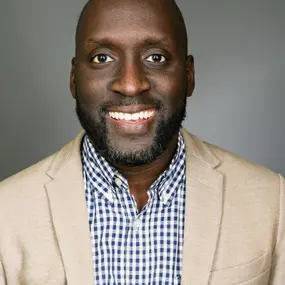
VP of Inventory Development at Stackadapt
Greg Joseph is the Vice President of Inventory Development for StackAdapt, responsible for supply side strategy and publisher partnerships across various platforms.
With over 15 years of ad tech experience, he has held sales and partnership roles at Freewheel (Comcast NBC), Magnite (formerly Rubicon Project), Doubleverify, and more.
He holds a Bachelor’s in Business Administration with a focus on Advertising from CUNY - Baruch College.